
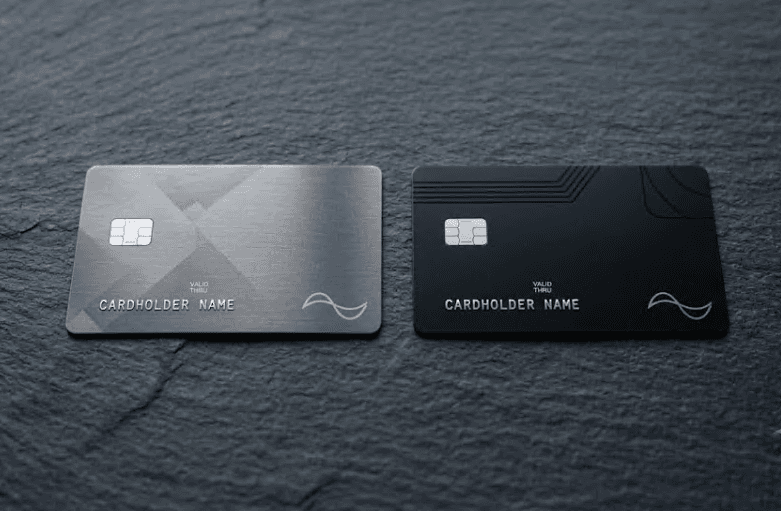
A charge card and a credit card look identical in your wallet, and both let you pay now and settle later. The real difference is in what happens at the end of the cycle — and that single distinction changes how each one fits into your financial life.
The core distinction
A traditional credit card lets you carry a balance from month to month, paying interest for the privilege. A charge card generally expects the balance to be paid in full each cycle, with no option to revolve. One permits borrowing across months; the other does not.
What that means for spending limits
Because a charge card is not designed for carried balances, it often does not carry a fixed, stated credit limit in the familiar sense. Instead, spending power may flex based on the issuer's ongoing assessment. A credit card, by contrast, typically gives you a defined limit to work within.
The discipline each one assumes
A charge card assumes the discipline a credit card merely rewards — paying in full, every cycle. For someone who already does that, the absence of a revolving option is no loss at all. It simply formalizes the habit at the heart of "The grace period explained."
Where each one fits
A credit card's ability to carry a balance can be a safety valve or a trap, depending on the user. A charge card removes the option entirely, which suits a disciplined payer and ill-suits anyone who occasionally needs to spread a cost. Choose based on which describes you honestly.
Don't choose on the label alone
The terms matter more than the name. Some products blur the line, offering features of both. Read how the specific card actually behaves — the approach urged in "How to read a credit card's terms" — rather than assuming the category tells you everything.
One lets you borrow across months; the other expects to be settled each cycle. The right choice is simply the one that matches how you actually pay.