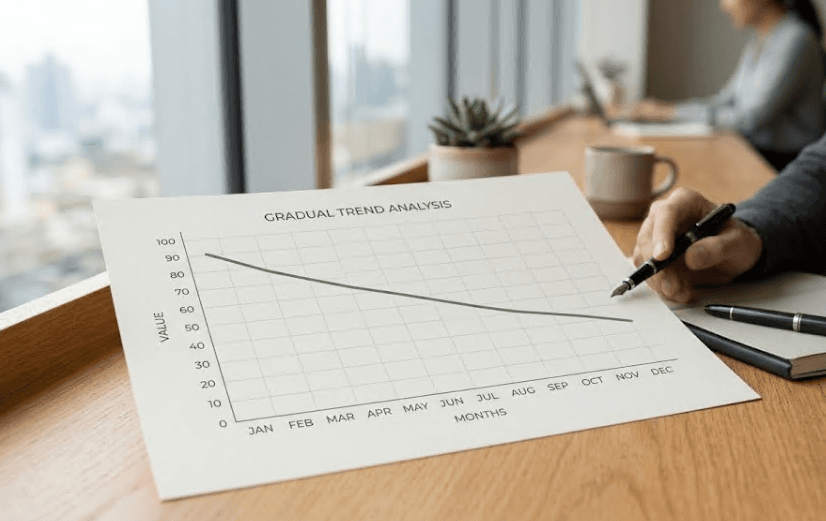
Devaluation is the slow tide of the points world — rarely announced loudly, but always moving in one direction. You cannot stop it, but you can plan around it, and planning around it is what keeps your balances from quietly losing ground.
What devaluation is
Devaluation is when a program raises the number of points needed for the same reward, or trims the value of those points in other ways. The effect is that your existing balance buys less than it did before, without you having spent a single point.
Why it happens
Programs create and control their own currencies, and they adjust them in their own interest. Devaluation is therefore a structural feature of the system, not an occasional accident. Expecting it, rather than being surprised by it, is the realistic stance.
Why it favors spending sooner
Because a point is generally worth more today than a year from now, time works against the saver. This is the practical core of "Earn and burn vs. save the points." The longer you wait, the more likely the value you counted on has quietly shrunk.
How to plan around it
Earn toward near-term goals, redeem with reasonable promptness, and avoid over-accumulating large idle balances. These habits, also at the heart of "Earn and burn vs. save the points," keep you ahead of the tide rather than caught by it.
What you can't control, and what you can
You cannot prevent a program from devaluing its currency. What you can control is whether you leave a large balance exposed to that risk. Keeping balances purposeful and moving is the part of the outcome that remains in your hands.
Devaluation is the one certainty in points. Plan as if your balance is slowly melting, because in truth it is.